

Birds
Quick filter
Showing:1 - 1000 items


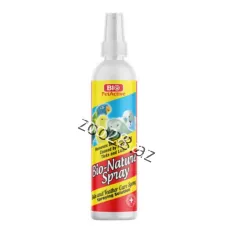


Bird treats and supplements — fruit sticks, honey sticks, mineral stones, calcium blocks, squid bones, vitamin drops. Special supplements for your birds' fun and healthy nutrition. A wide selection of bird treats at Zoo28.az.
Frequently Asked Questions
The main food for parrots is seed mix, but feeding seeds alone is not enough. Daily diet should be 60-70% seed mix, 20-30% fresh fruits and vegetables (apple, banana, carrot, broccoli), 5-10% mineral supplements. Vitakraft, Versele-Laga bird food available at Zoo28.az.
Cage should be at least twice your bird wingspan. Minimum 40x25x45 cm for budgies, 60x40x60 cm for cockatiels, 100x60x120 cm for large parrots. Round cages cause stress — choose rectangular. Various cage sizes at Zoo28.az.
Avocado is deadly poisonous for birds — never feed it! Chocolate, coffee, onion, garlic, mushrooms, pits (apple, pear seeds) are also dangerous. Safe fruits: apple (seedless), banana, grapes, orange, strawberry, mango, pineapple. Always serve fresh and washed fruit.
Yes, mineral stone is very important for bird health. Provides calcium, phosphorus and other minerals, helps beak wear. Always keep a mineral stone or cuttlebone in the cage. Various mineral stones and cuttlebones at Zoo28.az.
The cage should be at least 2-3 times the bird's wingspan in width. For budgies, at least 45x45x45 cm is recommended; for parrots, 60x60x90 cm. Avoid round cages — they cause stress in birds. Choose metal cages; painted cages can be toxic. Place the cage away from drafts, direct sunlight, and the kitchen.
Use quality seed mix or bird food as the main diet. Supplement with fresh fruits (apple, banana, grapes), vegetables (carrot, broccoli, spinach), and greens. Avocado, chocolate, onion, and caffeine are toxic to birds — never feed them. Hang mineral stones and cuttlebone as a calcium source in the cage.
Teaching birds to talk takes time and patience. Male budgies learn faster than females. Starting from 3-4 months, repeat the same words in a calm tone for 15-20 minutes daily. Keep the bird alone — paired birds communicate with each other and show less interest in talking. Some birds start talking after 6 months, be patient.
Signs of illness: fluffed feathers, loss of appetite, closing eyes, breathing difficulty, watery droppings, nasal discharge, inability to maintain balance, inactivity. Birds try to hide illness, so by the time symptoms are visible, the condition is already serious. Consult an avian vet immediately. Give vitamin supplements for prevention.